Fleurism: The Complete Guide to the Art, Lifestyle, and Design Movement
Fleurism has transformed from a niche botanical aesthetic into one of 2026’s most influential art, lifestyle, and design movements. More than simply arranging flowers or decorating with blooms, fleurism represents a philosophy that combines nature, symbolism, sustainability, technology, and mindful living. From luxury interiors and fashion collections to wellness practices and digital branding, the movement is reshaping how people connect with flowers and the natural world.
Unlike traditional floral decoration, fleurism views every flower as a language. Every bloom, color, scent, and arrangement tells a story, expresses an emotion, or reflects a personal identity. As consumers seek authenticity and deeper meaning in an increasingly digital world, fleurism has emerged as the perfect blend of biophilic design, creative expression, and sustainable living.
Whether you’re a designer, entrepreneur, content creator, florist, or simply someone who appreciates botanical beauty, understanding fleurism will help you stay ahead of one of the biggest lifestyle and design trends of 2026.
What Is Fleurism? The Modern Definition in 2026
The word fleurism originates from the French word “fleur,” meaning flower, but today’s definition extends far beyond floristry. In 2026, fleurism is best described as an artistic and lifestyle philosophy that uses flowers to communicate emotion, identity, purpose, and storytelling.
Instead of choosing flowers purely because they look beautiful, fleurism encourages intentional selection based on symbolism and meaning. Every arrangement becomes a personal statement rather than simple decoration.
The movement is built around several defining principles:
- Symbolic Botanicals that communicate emotions, values, or brand identity.
- Sustainable Aesthetics emphasizing seasonal, local, dried, and low-impact flowers.
- Digital-Physical Integration through AI-generated floral artwork, augmented reality filters, NFT botanicals, and interactive floral experiences.
- Wellness Practices using flowers for mindfulness, emotional balance, productivity, and stress reduction.
You can think of fleurism as the intersection of art, psychology, sustainability, interior design, and personal branding, making it one of the most versatile lifestyle movements today.
The History and Evolution of Fleurism
Although flowers have carried symbolic meaning for centuries, fleurism as a recognized movement only began gaining momentum around 2023.
Its foundations were inspired by several historical traditions, including:
- Victorian floriography, where flowers conveyed secret messages.
- Japanese Ikebana, emphasizing harmony, minimalism, and intentional arrangement.
- French art de vivre, celebrating elegant everyday living through natural beauty.
The rapid growth of fleurism between 2024 and 2026 was fueled by three major cultural shifts.
First came the rise of post-pandemic biophilia. After years of spending more time indoors, people wanted stronger connections to nature, but they also sought deeper emotional meaning than simply filling homes with houseplants.
Second, social media dramatically accelerated the movement. By mid-2026, the hashtag #Fleurism had surpassed approximately 4.2 billion views across Instagram and Threads, as creators began using flowers as visual representations of personality, creativity, and lifestyle.
Third, environmental awareness transformed the floral industry. Consumers increasingly questioned imported flowers with high transportation emissions. Fleurism responded by embracing slow flowers, seasonal growing, locally sourced bouquets, dried botanical arrangements, and zero-waste floral practices.
By 2026, fleurism has evolved into a cross-industry framework that combines authenticity, sustainability, creativity, and emotional storytelling.
The Five Core Elements of Modern Fleurism Design
Successful fleurism follows several defining principles that distinguish it from conventional floral styling.
| Element | Meaning in 2026 | Why It Matters |
|---|---|---|
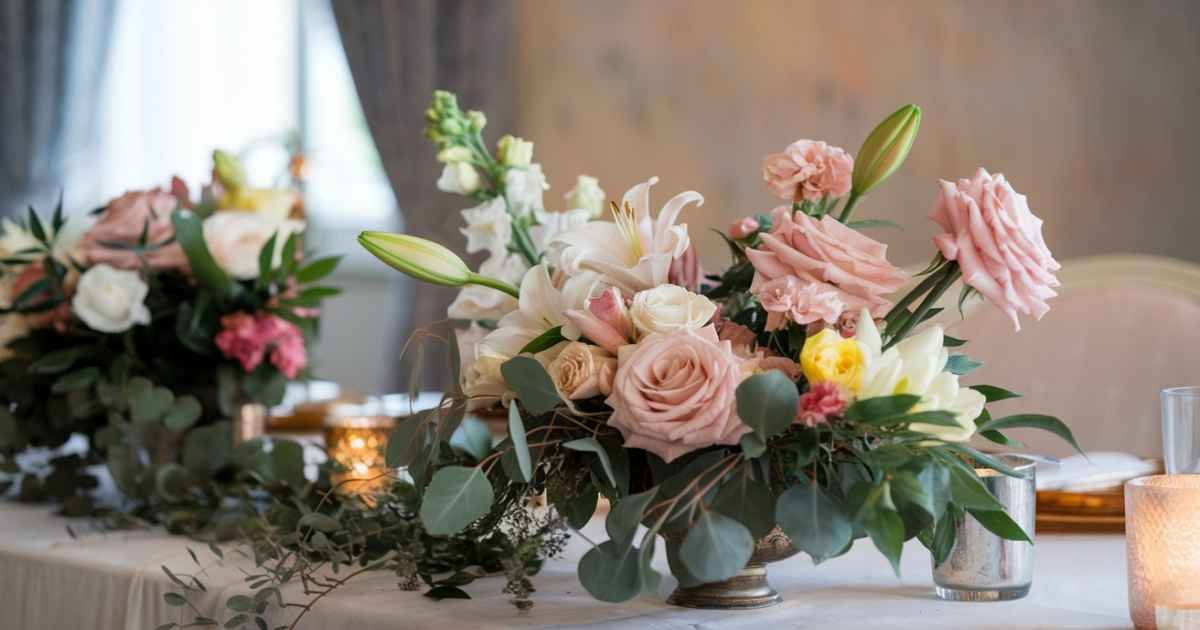
| Intentional Species Choice | Selecting flowers for symbolism instead of appearance alone. Example: Protea represents courage, while Ranunculus symbolizes charm. | Creates stronger emotional connections. |
| Imperfect Textures | Incorporating dried stems, seed pods, branches, asymmetrical compositions, and natural imperfections. | Reflects authenticity and wabi-sabi design values. |
| Scent Storytelling | Combining visual flowers with natural fragrances, essential oils, incense, or live blooms. | Activates memory, mood, and emotional responses. |
| Seasonal & Local Flowers | Using blooms grown within approximately 100 miles whenever possible. | Can significantly reduce the carbon footprint compared to imported flowers. |
| Technology Integration | AI floral design, AR flower filters, QR-enabled bouquets, and digital botanical experiences. | Keeps fleurism relevant for Gen Z and Gen Alpha audiences. |
Bold Tip: If your floral arrangement could easily fit on a 2018 Pinterest wedding board, it probably isn’t fleurism. Modern fleurism embraces raw textures, symbolism, sustainability, and technology instead of perfect symmetry.
Fleurism in Interior Design, Fashion, and Beauty
Interior designers have embraced architectural fleurism, where flowers become structural design elements rather than simple decorations.
Some of the biggest 2026 interior trends include:
- Living Flower Walls featuring hydroponic seasonal blooms that evolve throughout the year, especially in wellness clinics, luxury hotels, and co-working spaces.
- Dried Floral Ceiling Installations using pampas grass, eucalyptus, bunny tails, and preserved botanicals as long-lasting artistic centerpieces.
- Fleurism Color Theory, replacing generic color names with palettes inspired by heirloom flowers such as Dahlia Noir, Cosmos Blush, and Cornflower Storm.
Innovative studios including Bloom Atelier and Botanic Futures are combining AI-powered plant growth simulations with physical floral installations, creating dynamic botanical environments.
Fashion has also moved beyond traditional floral prints.
Leading 2026 fleurism fashion trends include:
- Biofabricated floral textiles grown using mycelium and natural plant fibers.
- 3D-printed floral jewelry customized around birth flowers or personal brand flowers.
- Petal-infused skincare, floral fermentation serums, botanical cosmetics, and makeup collections inspired by rare orchids.
Unlike cottagecore, fleurism fashion emphasizes modern silhouettes, structured tailoring, monochromatic palettes, and floral forms rather than simply printing flowers onto clothing.
Fleurism as a Wellness and Mindset Practice
Perhaps the most exciting evolution of fleurism in 2026 is its growing role in mental wellness.
Flowers have long been associated with positive emotions, but fleurism introduces a structured approach to mindful floral arranging. Instead of focusing on perfection, participants simply choose flowers that resonate with their current emotional state and arrange them intuitively.
A typical fleurism mindfulness session involves:
- Choosing flowers based on your emotions.
- Arranging them slowly while focusing on breathing.
- Naming the arrangement to express feelings externally.
- Reflecting on the symbolism behind each bloom.
Research has also highlighted the therapeutic potential of this practice. A 2025 study from the University of Hyogo reported that 20 minutes of mindful flower arranging reduced cortisol levels by approximately 23% more than spending the same amount of time scrolling social media, making fleurism an increasingly popular wellness activity.
Businesses are taking notice as well. Corporate fleurism workshops are becoming popular team-building experiences because collaborative floral arranging encourages non-verbal communication, creativity, relaxation, and reduced workplace burnout.
How to Start Your Own Fleurism Practice in 2026
Starting with fleurism doesn’t require professional floral training or expensive arrangements. The philosophy centers on intention rather than perfection, making it accessible to everyone.
Here are practical ways to begin:
- Learn flower symbolism by researching five locally grown flowers in your region and understanding what each represents.
- Choose seasonal or dried flowers instead of imported blooms to support sustainability and reduce environmental impact.
- Share your floral stories online through Instagram or Threads, explaining not only what you created but why you selected each flower. Educational storytelling tends to generate higher engagement within the #Fleurism community.
- Pair flowers with scent using complementary essential oils. For example, lavender with fresh lilac promotes calm, while citrus blossom combined with rosemary enhances focus.
- Experiment with AI image generators before purchasing flowers, allowing you to visualize arrangements, color palettes, and design concepts digitally.
One valuable content strategy in 2026 is combining education with personal storytelling. Rather than simply posting a bouquet, explain its emotional significance. For example, sharing why you chose black hellebores during a career transition creates a stronger connection with your audience than displaying flowers alone.
The Future of Fleurism Beyond 2026
Industry experts believe fleurism will continue expanding well beyond floral design into technology, sustainability, and digital experiences.
Emerging trends expected over the coming years include:
- Fleurism UX/UI, where apps and websites use organic floral-inspired motion design to create calmer digital experiences.
- Biodegradable technology accessories, including phone cases and laptop sleeves embedded with seeds that sprout after composting.
- Dynamic floral NFTs that evolve with the seasons through blockchain smart contracts.
- Climate fleurism, using flowers as educational tools and environmental indicators to raise awareness about biodiversity and climate change.
The movement continues to gain momentum because it addresses one of the defining challenges of modern life: digital fatigue and disconnection from nature. Fleurism offers a meaningful alternative by combining beauty, sustainability, mindfulness, and technology into a single creative philosophy.
Rather than being another passing aesthetic trend, fleurism has become a modern design language that encourages intentional living, authentic storytelling, and a renewed appreciation for the natural world.
Conclusion
Fleurism in 2026 is far more than arranging flowers or following a design trend. It represents a complete philosophy that blends botanical symbolism, sustainable practices, wellness, technology, fashion, and interior design into one cohesive lifestyle. As consumers increasingly seek authenticity and deeper emotional connections, fleurism provides a meaningful way to express identity while embracing nature responsibly. Whether you’re redesigning a living space, building a personal brand, improving your well-being, or exploring creative expression, fleurism offers countless opportunities to combine beauty with purpose. Start with one flower, one intention, and one story—because the heart of fleurism has always been about meaning, not perfection.